 (Image via
The travel landscape is evolving rapidly, driven by collaborations that might seem surprising at first glance. Companies that once operated in separate silos are now joining forces to create richer, more seamless experiences for travelers. You no longer just book a flight or a hotel; you engage with an ecosystem of interconnected services designed to enhance every part of your journey. We will explore how these unique alliances are reshaping the way we explore the world. You will discover how brands from different industries are coming together to offer convenience, sustainability, and personalization. This deep dive reveals the future of travel, where innovation creates smoother paths for your next adventure.
The Convergence of Lifestyle and Logistics
Travel used to be a segmented experience. You booked a flight, then a hotel, and figured out the rest as you went. Now, lifestyle brands are embedding themselves into the logistics of travel, creating a more cohesive experience. These partnerships aim to remove friction and add value to the mundane aspects of getting from point A to point B. By merging the efficiency of transport providers with the comfort of consumer brands, companies are elevating the standard of travel.
Ride-Sharing Meets Air Travel
Getting to and from the airport has historically been a stress point for travelers. Airlines are increasingly partnering with ride-sharing platforms to solve this "last mile" problem. Major carriers have integrated services like Uber or Lyft directly into their booking apps. This allows you to schedule your ride to the airport at the same time you check in for your flight.
These integrations often come with added perks. You might earn frequent flyer miles for your car rides or receive real-time updates on your driver's location through the airline app. This seamless connection reduces the anxiety of timing your arrival. It ensures that the transition from your front door to the boarding gate is as smooth as possible. We see this trend growing as travelers demand more reliability and convenience in their transit options.
Retail Therapy at 30,000 Feet
In-flight shopping was once limited to duty-free catalogs filled with perfumes and gadgets. Today, airlines are partnering with high-end retail brands and streaming services to revolutionize entertainment and commerce in the sky. You can now find partnerships where luxury bedding companies provide the blankets and pillows for long-haul flights, transforming a cramped seat into a more restful environment.
Streaming giants are also stepping in. Instead of relying on a limited selection of seatback movies, passengers on certain airlines can log into their personal streaming accounts on flight screens. This partnership allows you to pick up exactly where you left off in your favorite series. It brings the comforts of your living room into the cabin, making long travel hours pass more quickly and enjoyably.
Technology and Hospitality Joining Forces
The hospitality industry is undergoing a digital transformation, largely thanks to partnerships with tech giants. Hotels are moving beyond simple Wi-Fi availability to offer smart rooms and personalized digital experiences. These collaborations are making stays more comfortable, customizable, and efficient for guests.
The Smart Hotel Room Experience
Hotels are teaming up with smart home technology providers to give guests unprecedented control over their environment. You might find voice-activated assistants in your room that control the lights, temperature, and television. These devices can also answer questions about hotel amenities, request room service, or provide local recommendations.
This integration goes beyond convenience; it offers accessibility. Guests with mobility issues can control their room's features without needing to reach switches or thermostats. Major hotel chains are piloting these programs to create a more inclusive and responsive environment. By adopting consumer technology that guests are already familiar with, hotels make the travel experience feel more like home.
Frictionless Check-Ins and Keyless Entry
Long lines at the front desk are becoming a thing of the past. Partnerships between hotel groups and mobile technology firms have enabled keyless entry systems. Your smartphone becomes your room key, allowing you to bypass the lobby entirely and head straight to your room. This technology relies on secure, encrypted communication between your phone and the door lock.
This shift prioritizes your time and safety. It reduces physical contact points, which became a priority for many travelers in recent years. Hotels can also use these apps to send you personalized offers or check in on your satisfaction during your stay. This digital bridge strengthens the relationship between the guest and the hotel, ensuring needs are met promptly and efficiently.
Sustainability Through Strategic Alliances
Eco-conscious travel is no longer a niche market; it is a priority for many modern explorers. To address environmental concerns, travel companies are forming alliances with environmental organizations and sustainable tech firms. These partnerships aim to reduce the carbon footprint of tourism and promote responsible travel habits.
Carbon Offsetting Made Simple
Many travelers want to minimize their environmental impact but find the process confusing. Airlines and travel agencies are simplifying this by partnering with carbon offset providers. During the booking process, you are often presented with the option to calculate and offset the carbon emissions of your trip instantly.
These contributions fund renewable energy projects, reforestation efforts, or community initiatives around the world. By integrating these options directly into the purchase path, companies make sustainability an easy, accessible choice rather than a complex afterthought. It empowers you to take ownership of your environmental footprint with a simple click.
Eco-Friendly Accommodations and Transport
Hotels are not just reducing waste on their own; they are partnering with local environmental groups to certify their efforts. You might see collaborations where a hotel chain commits to sourcing food from local, sustainable farms to reduce transport emissions. Others partner with electric vehicle companies to provide charging stations or shuttle services for guests.
Cruise lines are also adapting. Some are partnering with marine conservation organizations to ensure their routes and practices do not harm delicate ocean ecosystems. These alliances provide oversight and accountability. They assure travelers that their vacation dollars are supporting businesses that prioritize the planet's health.
The Rise of "Bleisure" Collaborations
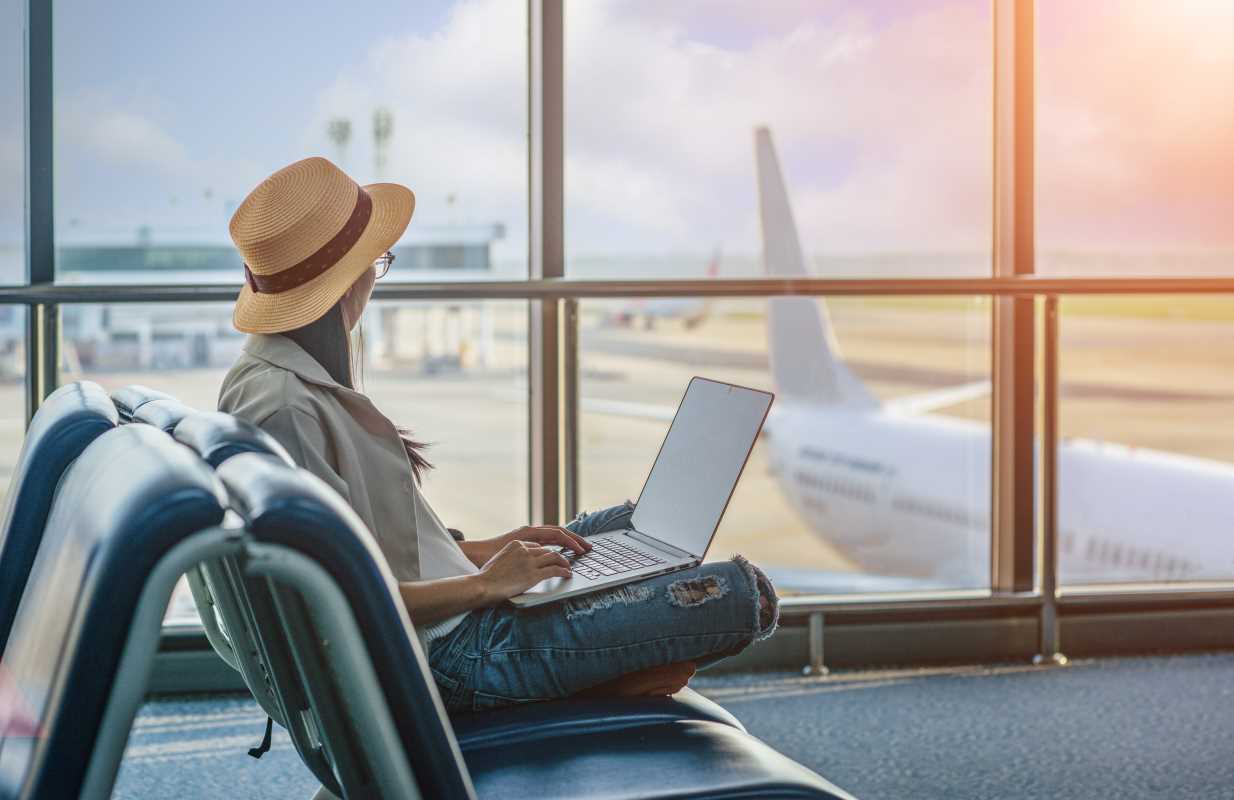
The line between business and leisure travel has blurred, giving rise to "bleisure" travel. Professionals are extending work trips for vacation, and companies are responding with partnerships that cater to this hybrid lifestyle. Co-working spaces and hospitality brands are coming together to serve the digital nomad and the flexible employee.
Co-Working in Hotel Spaces
Hotels are rethinking their lobbies and meeting rooms. Instead of empty spaces used only for occasional conferences, they are partnering with co-working space providers to create vibrant, functional work areas. You can now book a hotel that guarantees a high-speed, secure work environment alongside your accommodation.
These partnerships offer subscription models where locals and travelers alike can use hotel amenities for work. This transforms the hotel into a community hub. For the traveler, it means you do not have to hunt for a coffee shop with reliable Wi-Fi. You have a professional workspace just an elevator ride away from your room.
Subscription Travel Services
A new model of travel consumption is emerging through subscription partnerships. Travel brands are teaming up to offer monthly or annual memberships that cover flights, accommodation, and workspaces. You pay a flat fee and gain access to a network of properties and flights around the world.
This model appeals to remote workers who want the freedom to move without the hassle of constant booking. It provides predictability in costs and quality. These alliances create a lifestyle where the world truly is your office. They support a growing demographic that values experiences and flexibility over traditional asset ownership.